Where the Casa Blanca Brand Fits in the 2026 Premium Landscape
Although the spelling “Casa Blanca brand” is regularly typed by online shoppers, it refers to the official Casablanca fashion brand based in Paris and created by Charaf Tajer in 2018. In the crowded luxury market of 2026, Casablanca occupies a distinct and increasingly impactful space: new-wave luxury with strong storytelling, high-quality materials and a creative fingerprint grounded in tennis, wanderlust and leisure culture. The brand exhibits collections during Paris Fashion Week, sells through upscale independent boutiques and retailers around the world, and prices its pieces in line with labels like Amiri, Jacquemus, Rhude and Palm Angels. This placement puts Casablanca above high-end streetwear but below heritage mega-houses like Louis Vuitton or Gucci, affording it space to grow while preserving the artistic control and appeal that drive its trajectory. Understanding where the Casa Blanca brand sits in this structure is important for customers who aim to shop strategically and recognise the offering behind each acquisition.
Understanding the Core Audience
The representative Casablanca customer is a style-conscious buyer between 22 and 42 years old who holds dear self-expression, adventure and cultural engagement. Many buyers operate in or near design professions—design, media, music, hospitality—and want clothing that conveys style and individuality rather than status alone. However, the brand also draws in individuals in finance, tech and law who wish to differentiate their off-duty wardrobes with something more individual than typical luxury essentials. Women represent a growing percentage of the customer base, pulled toward the label’s easy shapes, bold prints and holiday-perfect mood. In terms of geography, the largest markets in 2026 consist of Western Europe, North America, the Middle East, Japan and South Korea, though social media has grown visibility internationally. A meaningful additional audience comprises archive enthusiasts https://casablanca-clothing.net and flippers who follow special drops and past pieces, seeing the brand’s likelihood for increase in value. This broad but coherent customer base grants Casablanca a wide commercial base while keeping the sense of rarity and cultural richness that drew its first fans.
Casa Blanca Brand Primary Audience Categories
| Segment | Age | Driver | Favourite Categories |
|---|---|---|---|
| Arts professionals | 25–40 | Individuality | Silk shirts, knitwear, prints |
| Premium streetwear fans | 18–35 | Hype | Hoodies, track sets, caps |
| Resort and travel shoppers | 28–45 | Travel comfort | Shorts, shirts, accessories |
| Archive buyers and resellers | 20–38 | Appreciation | Archive prints, collaborations |
| Women customers | 22–42 | Dresses, skirts, silk pieces |
Pricing Bracket and Quality Proposition
Casablanca’s retail pricing mirrors its position as a modern luxury house that favours artistry, material quality and limited production over mainstream distribution. In 2026, T-shirts generally retail between 200 and 350 dollars, hoodies and sweatshirts between 400 and 700 dollars, silk shirts between 700 and 1 200 dollars, knitwear between 450 and 900 dollars, and outerwear between 800 and 2 000 dollars varying with intricacy and materials. Accessories like caps, scarves and petite bags run from 100 to 500 dollars. These retail levels are roughly in line with labels like Amiri and Rhude but can be more affordable than some Jacquemus or Off-White pieces at the high end. What warrants the investment for many customers is the combination of exclusive artwork, premium construction and a clear brand story that makes each piece feel thoughtful rather than ordinary. Secondary-market values for popular prints and rare drops can surpass launch retail, which reinforces the reputation of Casablanca as a smart buy rather than a declining outlay. Customers who measure value per use—thinking about how frequently they actually wear a piece—frequently conclude that a versatile silk shirt or knit from Casablanca provides excellent value notwithstanding its sticker price.
Retail Approach and Retail Network
The Casa Blanca brand uses a controlled distribution approach aimed at safeguard demand and avoid ubiquity. The main direct channel is the main website, which stocks the complete range of current collections, special drops and periodic sales. A main store in Paris works as both a shopping space and a experiential centre, and short-term locations open from time to time in cities like London, New York, Milan and Tokyo during fashion events and design events. On the B2B side, Casablanca partners with a curated roster of premium retailers including SSENSE, Mr Porter, Farfetch, Browns, Dover Street Market and certain department stores such as Selfridges, Neiman Marcus and Isetan. This controlled distribution means that the brand is accessible to serious shoppers without appearing in every markdown outlet or fast-fashion aggregator. In 2026, Casablanca is reportedly expanding its retail footprint with ongoing stores in two further cities and increased investment in its web experience, adding virtual try-on features and upgraded size tools. For customers, this translates to expanding ease of shopping without the overexposure that can undermine luxury cachet.
Brand Positioning Versus Competitors
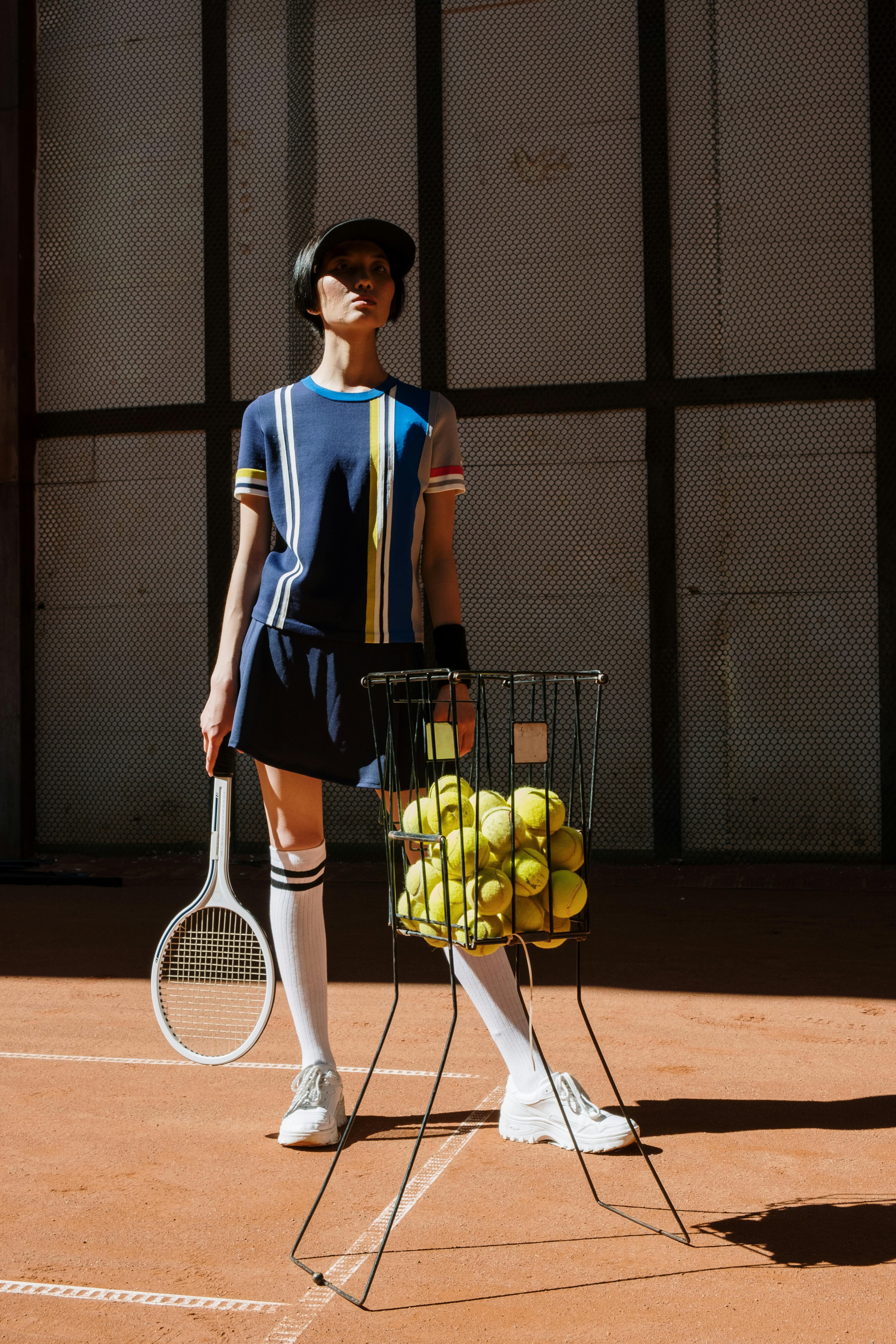
Understanding the Casa Blanca brand’s place demands comparing it with the labels it regularly is stocked with in multi-brand stores and editorial editorials. Jacquemus offers a comparable French luxury foundation but leans more toward restraint and earthy palettes, rendering the two brands synergistic rather than rival. Amiri delivers a darker, grunge-inspired California aesthetic that targets a separate audience. Rhude and Palm Angels occupy the high-end casual space with graphic-rich designs that touch on some of Casablanca’s informal pieces but lack the vacation and tennis narrative. What places Casablanca apart from all of these is its consistent commitment to original prints, colour saturation and a specific mood of happiness and relaxation. No other label in the current luxury tier has built its whole world around courtside life and coastal travel with the same richness and consistency. This distinctive place grants Casablanca a secure brand equity that is tough for newcomers to imitate, which in turn underpins lasting brand value and pricing power.
The Function of Joint Ventures and Special Editions
Collabs and capsule releases fill a calculated part in the Casa Blanca brand’s identity. By partnering with athletic companies, cultural institutions and design brands, Casablanca exposes itself to fresh audiences while creating enthusiast excitement among established fans. These releases are most often manufactured in small quantities and showcase collaborative prints or exclusive palettes that are not stocked in regular collections. In 2026, partnership pieces have turned into some of the most coveted items on the aftermarket market, with select releases trading above launch retail within hours of going live. For the brand, this approach delivers editorial attention, brings traffic to stores and supports the narrative of exclusivity and desirability without undermining the core collection. For customers, collaborations give a chance to acquire special pieces that exist at the crossroads of two artistic worlds.
Strategic Outlook and Consumer Guide
For shoppers thinking about how the Casa Blanca brand complements their own aesthetic universe in 2026, the label’s status recommends a few strategic paths. If you prefer a wardrobe anchored by colour, print and wanderlust character, Casablanca can function as a main source for hero pieces that anchor outfits. If your style is more conservative, one or two Casablanca garments—a knit, a shirt or an accessory—can introduce character into a muted wardrobe without remaking your entire closet. Collectors and collectors should watch exclusive prints and collaboration releases, which over time retain or exceed their launch value on the pre-owned market. No matter the method, the brand’s focus on craftsmanship, creative identity and selective distribution delivers a customer interaction that seems deliberate and rewarding. As the luxury market changes, labels that combine both emotive storytelling and tangible quality are poised to beat those that rely on virality alone. Casablanca’s identity in 2026 suggests that it is working for sustainability rather than momentary virality, making it a brand worth tracking and collecting for the long term. For the latest pricing and range, visit the main Casablanca website or browse selections on Mr Porter.